Launching The A.R.T. Project
The Rowan University/Rutgers Camden Board of Governors is proud to introduce the first participatory art project in The A.R.T. Project series. This innovative framework and model has been designed as part of a broader movement to establish a community-owned grocery store, also known as a food cooperative, in Camden. The initiative aims to address critical issues of food and nutrition security, support local businesses, and enhance the overall Quality of Life in the city starting with the prioritization of our youth. Youth leaders are at the forefront of this effort, harnessing Art that Activates, Real Foods that Heal, and Technologies that Transform to raise awareness, inspire meaningful change, and mobilize the community toward a healthier, more resilient future.
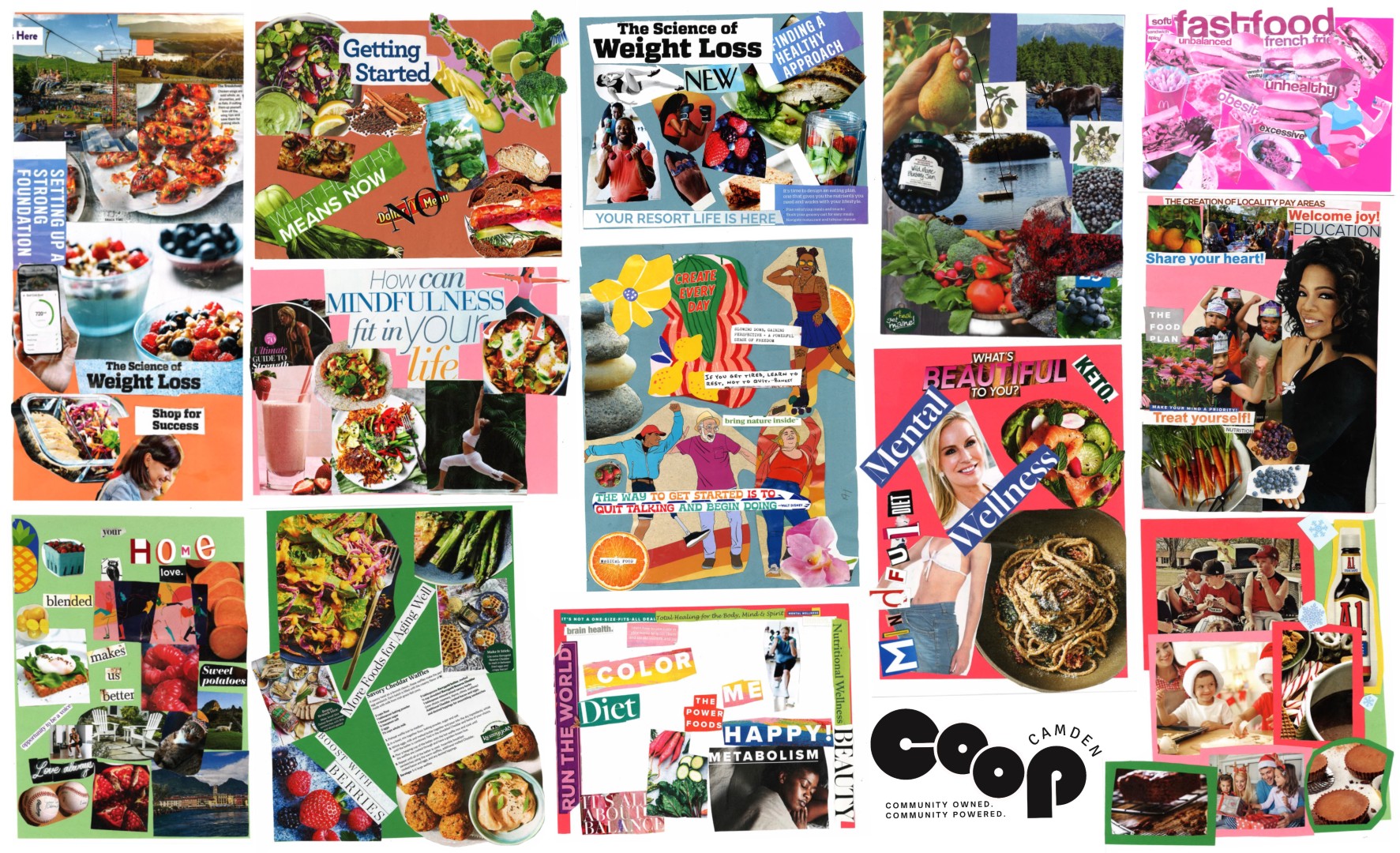
Below is an overview of each pillar of The A.R.T. Project:
Art that Activates: Participatory art involves engaging the public in the creative process, empowering them to take on roles as co-authors, editors, and observers of the work. This approach fosters shared ownership of decision-making processes and often seeks to inspire dialogue, drive social change, and mobilize communities. Featuring portraits by Erik James Montgomery, our inaugural participatory art project, The Real Foods that Heal Portrait Project, launches on December 17, 2024. Supported by the Center for Urban Research and Education at Rutgers - Camden, the project centers the 13 youth in our inaugural Y-Plan Afterschool Program at Mighty Writers.
The goal with this project is to activate the vacant lots adjacent to the proposed cooperative location at 510-518 Broadway. Through this "site activation," we aim to bring vibrancy to the space by fostering increased usage, social interaction, and community engagement through creative design elements, programming, and participatory initiatives.
Real Foods that Heal: While Camden holds the distinction of being the highest-need “food desert” in New Jersey, its situation is not an anomaly. Urban and lower-income communities across the nation face similar challenges, with residents lacking access to the amenities readily available in more affluent areas. This disparity affects the nutritional status and equity of residents in these cities. As such, our approach seeks to make real foods—natural, minimally processed foods such as fruits, vegetables, nuts, seeds, whole grains, and unprocessed meats and fish—a regular part of what is accessible and available to Camden’s residents and local food providers. Thanks to sponsorship from the Camden County Seed Saving Library, seed packets are now available to support residents in starting their own urban gardening projects. In the coming months, we will host a series of events designed to empower the community, including urban gardening workshops and Community Meals gatherings. These initiatives are stepping stones toward fostering a healthier, more equitable food culture in Camden.
Technologies that Transform: No co-op would be possible without member-owners. One strategy to build our membership (and promote a Culture of Health in Camden) is via social media. The rise of networked technologies and social media platforms has increasingly influenced social movements. These tools facilitate diverse activities, including strategizing, communication, creating alternative narratives, and producing digital media that leverage emotional, visual, and auditory elements. Inspired by the tagline from Taskforce, the cultural strategy agency behind President Obama’s initial campaign, we aim to "create culture to change culture"—in this case, using technology to transform Camden’s foodscape through the creation of a Co-Op Camden. Follow us to help us build our movement.
